The Medicine Cabinet as Safety Net: Understanding Why American Households Hoard Antibiotics
A Nation of Cautious Stockpilers
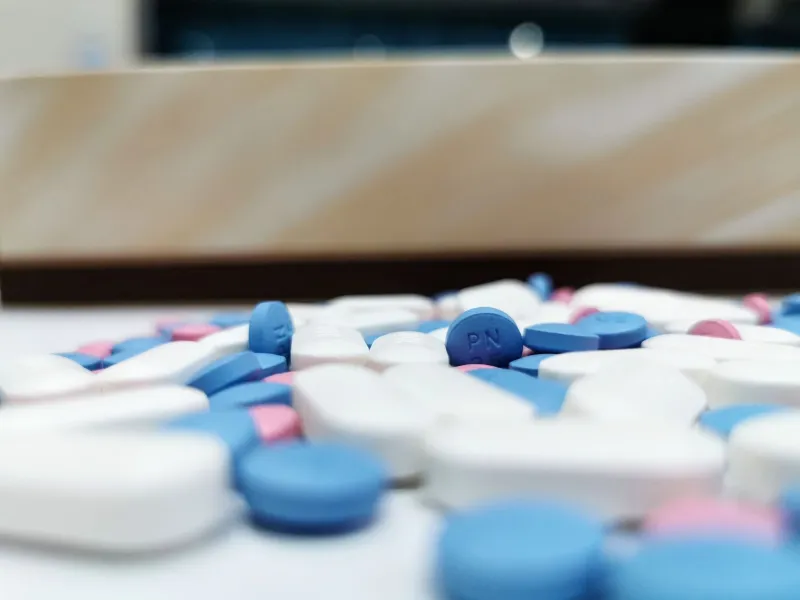
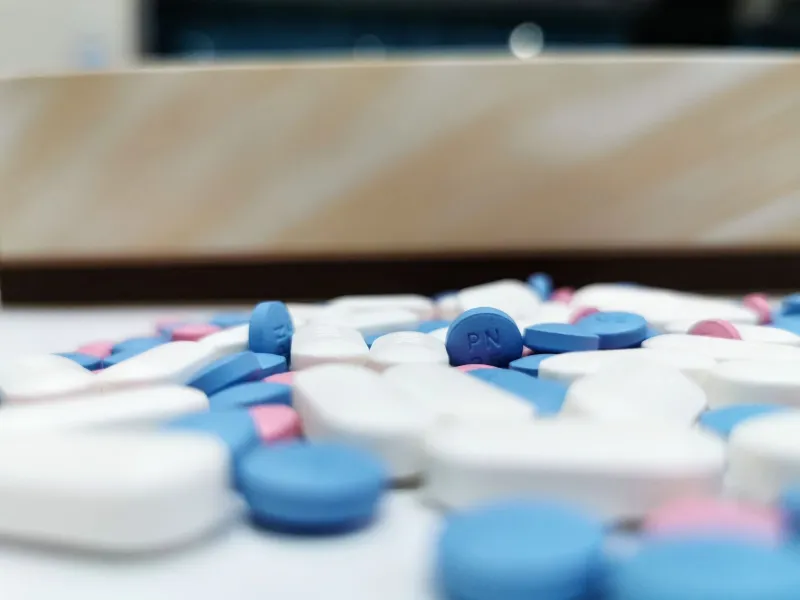
Open the medicine cabinet in the average American home and you may find more than aspirin and antacids. A growing body of survey data suggests that a significant portion of U.S. households retain unused prescription antibiotics — tucked behind toiletries, stored in kitchen drawers, or forgotten in bathroom shelves — long after the original course of treatment has concluded. According to research published in Annals of Internal Medicine, roughly one in four Americans has kept leftover antibiotics rather than disposing of them properly, and a meaningful subset of those individuals acknowledge saving them with future use in mind.
This is not simply negligence. It is, for many families, a deliberate and even rational-feeling response to a healthcare environment that can feel unpredictable, expensive, and difficult to navigate. Understanding why this happens — and what it costs in terms of public health — requires looking honestly at the structural pressures that make antibiotic hoarding feel like a reasonable strategy.
The Psychology Behind the Reserve
Health psychologists describe a phenomenon sometimes called anticipatory health behavior — the tendency to prepare for feared medical scenarios well in advance, often by accumulating resources that offer a sense of control. For Americans who have faced difficulty accessing timely medical care, this impulse is not difficult to understand.
Consider the family in a rural county where the nearest urgent care clinic is forty minutes away and primary care appointments require a two-week wait. Or the self-employed individual without employer-sponsored insurance who weighs every physician visit against its out-of-pocket cost. For these households, a leftover course of amoxicillin feels less like a regulatory violation and more like a modest insurance policy against a system that has, at times, failed them.
Health anxiety compounds this tendency. Research consistently shows that individuals with elevated health anxiety are more likely to engage in medication hoarding behaviors across drug categories — not because they are reckless, but because the perceived cost of being caught without a needed medication feels psychologically catastrophic. Antibiotics, with their reputation as decisive bacterial interventions, occupy a particularly prominent place in this calculus.
What the Survey Data Reveals
Multiple national surveys have attempted to quantify the scope of antibiotic storage in American homes, and the findings paint a consistent picture. A study conducted by the Pew Charitable Trusts found that a substantial minority of Americans — particularly those in lower-income brackets and those without reliable healthcare access — reported saving antibiotics for potential future use. Notably, the behavior was not limited to any single demographic; it appeared across education levels, geographic regions, and age groups, though it was somewhat more prevalent among parents of young children.
Parents, in particular, represent a distinct subcategory of antibiotic stockpilers. The fear of a child developing an ear infection, strep throat, or skin infection on a weekend — when pediatric offices are closed and emergency room co-pays are steep — motivates many caregivers to retain partial courses or full prescriptions obtained during previous illnesses. The emotional logic is straightforward even when the medical logic is not.
The Unintended Consequences of Good Intentions
The problem with personal antibiotic reserves is not that the people maintaining them are careless. It is that the consequences of self-prescribing, even with medications previously prescribed by a licensed physician, are genuinely difficult to anticipate.
First, there is the question of appropriateness. An antibiotic prescribed for a urinary tract infection may be entirely ineffective against the bacterial strain responsible for a subsequent respiratory illness. Using the wrong drug not only fails to resolve the infection but may delay appropriate treatment while bacteria multiply. Second, partial courses — a common feature of household reserves, since patients often retain only what remained after completing a prior prescription — are insufficient to fully eradicate bacterial infections and may contribute to the development of resistant strains within the individual patient.
Third, and perhaps most significantly at a population level, unsupervised antibiotic use contributes to the broader resistance crisis that infectious disease specialists have spent decades warning about. Every unnecessary or improperly administered course of antibiotics exerts selective pressure on bacterial populations, encouraging the survival and proliferation of strains that can withstand pharmaceutical intervention.
Expiration and Efficacy: A Compounding Risk
Stored antibiotics present an additional complication: degradation over time. While some medications retain meaningful potency beyond their labeled expiration dates under ideal storage conditions, antibiotics are particularly sensitive to environmental factors including heat, humidity, and light exposure — conditions that describe the interior of the average American bathroom cabinet with uncomfortable accuracy.
An antibiotic that has lost significant potency due to improper storage offers a patient the false reassurance of treatment while delivering insufficient drug concentrations to clear an infection. This scenario is, in some respects, worse than no treatment at all, as it may delay recognition of a worsening condition while still exerting some selective pressure on bacterial populations.
What Drives the Behavior — And What Might Change It
Experts in health policy and antimicrobial stewardship generally agree that punitive approaches to antibiotic hoarding are unlikely to be effective. The behavior is rooted in genuine structural vulnerabilities within the American healthcare system — access gaps, cost barriers, and appointment scarcity — that cannot be resolved through public shaming or enforcement alone.
More promising are interventions that address the underlying anxiety directly: expanded telehealth access for bacterial infection evaluation, transparent and affordable urgent care options, and patient education programs that help individuals understand both the limitations of self-prescribing and the practical alternatives available to them. When patients feel confident that they can access appropriate evaluation quickly and affordably, the perceived need to maintain a personal pharmaceutical reserve diminishes substantially.
At AntibioticSource500, we recognize that the impulse to be prepared is fundamentally sound. The goal of responsible antimicrobial access is not to leave patients without options — it is to ensure that the options they reach for are the right ones, administered correctly, and obtained through pathways that protect both individual health and community-level antimicrobial efficacy.
A Paradox Worth Resolving
The antibiotic stockpiling phenomenon is, at its core, a symptom of a healthcare system that has not yet made patients feel secure enough to trust that help will be available when they need it. Addressing it requires honest engagement with that reality — not dismissal of the people making understandable decisions within a difficult environment.
For American families navigating these pressures, the most protective step is also the most straightforward: maintain an ongoing relationship with a healthcare provider, understand the proper disposal channels for unused medications, and seek evaluation before reaching for any antibiotic — whether newly prescribed or retrieved from last year's prescription bottle. The medicine cabinet may feel like a safety net, but the strongest safety net of all remains informed, timely, and professionally guided care.