7 Science-Backed Antimicrobial Alternatives Worth Knowing About
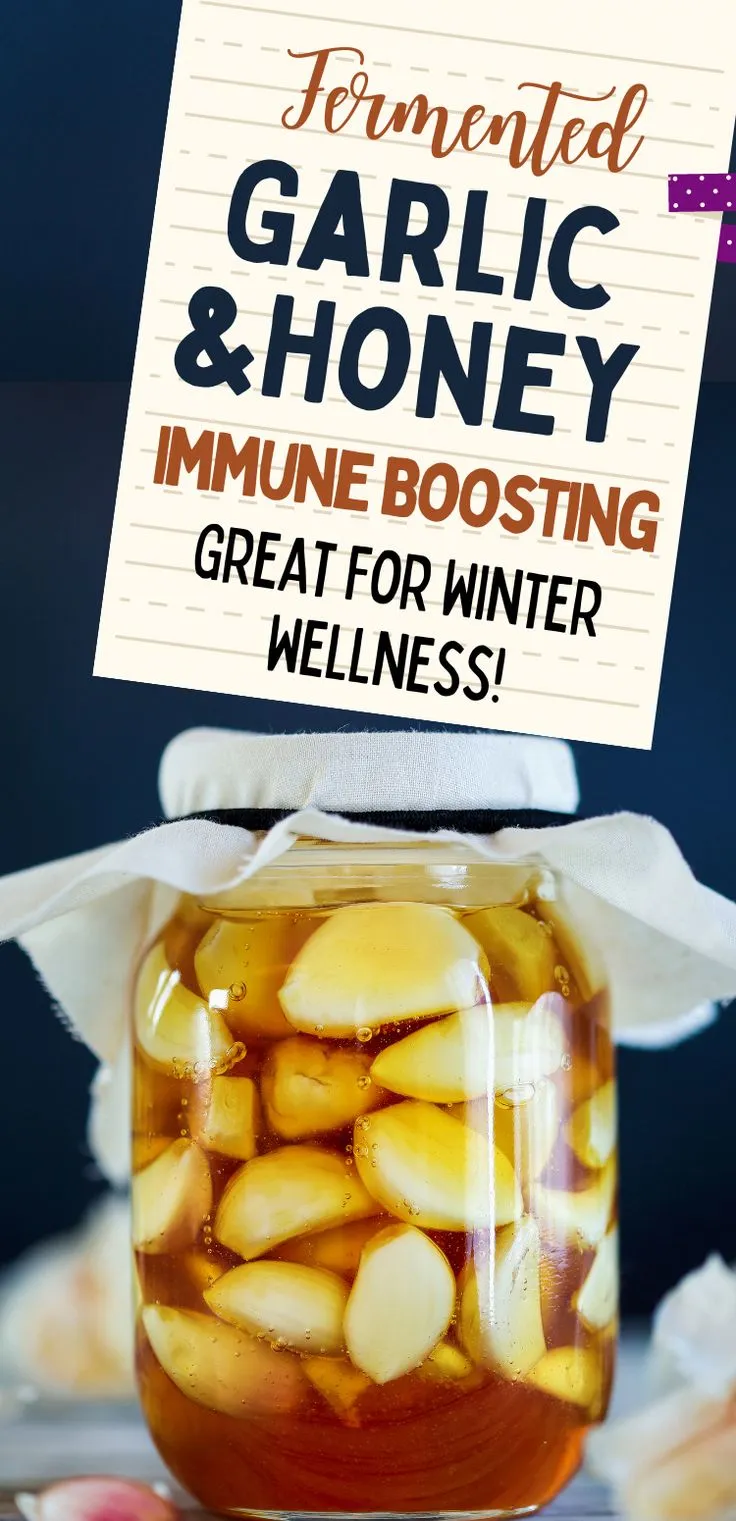
Photo: natural antimicrobial supplements herbal remedies honey garlic wellness, via i.pinimg.com
Antibiotics are irreplaceable when a serious bacterial infection takes hold. That point cannot be overstated. But for everyday wellness support, minor infections, and situations where conventional antibiotics are not indicated, a growing body of research suggests that several natural and complementary antimicrobial agents may offer meaningful benefits.
It is equally important to be clear about what these alternatives are not: they are not substitutes for medical diagnosis, and none of them should be used to self-treat severe, worsening, or persistent infections without professional guidance. With that foundation established, here is an informed look at seven antimicrobial alternatives that Americans are increasingly incorporating into their wellness strategies.
1. Colloidal Silver
Colloidal silver — microscopic silver particles suspended in liquid — has a long history in folk medicine and has attracted renewed attention in recent decades. Silver's antimicrobial properties are well-documented at the scientific level: silver ions disrupt bacterial cell membranes and interfere with enzyme function, making them effective against a broad range of organisms in laboratory settings.
Topical silver formulations are already widely used in clinical wound care, particularly for burns and chronic wounds, where they help prevent infection and support healing. Oral colloidal silver products are marketed as immune-support supplements, though the FDA has not approved them for treating any specific condition.
What the research says: Laboratory evidence is compelling, but human clinical trials for oral use remain limited. The primary safety concern with long-term oral consumption is argyria — a permanent bluish-gray skin discoloration — though this is primarily associated with excessive use of home-produced formulations rather than commercially standardized products.
Best considered for: Topical application to minor cuts, abrasions, or localized skin issues, under the guidance of a healthcare provider.
2. Tea Tree Oil
Derived from the Australian native plant Melaleuca alternifolia, tea tree oil is among the most extensively studied essential oils for antimicrobial activity. Its active component, terpinen-4-ol, has demonstrated efficacy against bacteria, fungi, and certain viruses in multiple peer-reviewed studies.
In the United States, tea tree oil is widely available as a topical product and is commonly found in skincare lines, shampoos, and wound-care formulations. Research published in journals including the Journal of Hospital Infection has explored its potential in reducing the presence of MRSA on skin surfaces.
What the research says: Solid evidence supports topical antifungal and antibacterial applications, particularly for skin conditions such as acne, athlete's foot, and nail fungal infections. It is toxic if ingested and should never be taken orally.
Best considered for: Topical skin infections, fungal conditions, and as a complementary skincare ingredient.
3. Oregano Oil
Oil of oregano, derived from Origanum vulgare, contains two primary active compounds — carvacrol and thymol — that have attracted significant scientific attention for their antimicrobial properties. Studies have demonstrated activity against organisms including E. coli, Salmonella, and Staphylococcus aureus in controlled laboratory conditions.
Oregano oil is commonly available in capsule and liquid form at health food stores and online retailers across the US. It is frequently marketed as a natural immune-support product, particularly during cold and flu season.
What the research says: Laboratory findings are promising, but human clinical evidence remains preliminary. Some small-scale studies suggest benefit for gastrointestinal symptoms potentially linked to bacterial imbalance. Anti-inflammatory properties have also been noted.
Best considered for: General immune support and as a dietary supplement, not as a replacement for prescribed antibiotics in confirmed bacterial infections.
4. Probiotics
Probiotics represent one of the most evidence-supported categories in complementary antimicrobial wellness. Rather than directly killing pathogens, probiotics — live beneficial bacteria found in fermented foods and supplements — work by supporting a balanced gut microbiome that is naturally more resistant to colonization by harmful organisms.
In the context of antibiotic use specifically, probiotics play a particularly well-documented role. Research consistently shows that taking probiotic supplements during and after antibiotic therapy significantly reduces the incidence of antibiotic-associated diarrhea and helps restore the microbial diversity that antibiotics disrupt. Strains such as Lactobacillus rhamnosus GG and Saccharomyces boulardii have the strongest clinical backing.
What the research says: Robust human clinical trial data support probiotic use for preventing antibiotic-associated gastrointestinal side effects and restoring gut health post-treatment. Evidence for direct pathogen-fighting activity is more limited but growing.
Best considered for: Supporting gut health during and after antibiotic courses, general immune function, and digestive wellness.
5. Garlic Extract (Allicin)
Garlic has been used medicinally for thousands of years across cultures worldwide, and modern science has identified allicin — the sulfur compound released when garlic is crushed or chopped — as its primary bioactive agent. Allicin has demonstrated broad-spectrum antimicrobial activity in laboratory studies, showing effectiveness against bacteria, fungi, and some parasites.
Standardized garlic extract supplements are widely available in the US market. Research has also examined garlic's potential role in cardiovascular health and immune modulation, making it one of the most studied botanical compounds overall.
What the research says: Laboratory evidence is strong. Human clinical trials show modest but meaningful effects on blood pressure and immune markers. Some small studies suggest benefit in reducing the duration of upper respiratory infections.
Best considered for: General immune support, cardiovascular wellness, and as a dietary addition to overall health maintenance.
6. Manuka Honey
Not all honey is created equal. Manuka honey, produced from the nectar of the Leptospermum scoparium plant native to New Zealand and Australia, contains uniquely high concentrations of methylglyoxal (MGO) — a compound responsible for its exceptional antimicrobial potency compared to conventional honey.
Manuka honey is clinically recognized and FDA-cleared for use in wound dressings in the United States. Its high viscosity, low pH, and hydrogen peroxide content create an environment inhospitable to bacterial growth. Research has demonstrated activity against MRSA and other resistant organisms in wound-care contexts.
What the research says: Among the strongest natural antimicrobial evidence bases available. Clinical use in wound care is well-established. Oral consumption is generally considered safe and may support throat and gastrointestinal health, though it should be avoided in infants under 12 months.
Best considered for: Topical wound care, throat soothing, and as a functional food with immune-supportive properties.
7. Berberine
Berberine is a naturally occurring alkaloid found in several plants, including goldenseal, barberry, and Oregon grape — all of which grow or are cultivated in North America. It has a substantial research profile, with studies demonstrating antimicrobial, anti-inflammatory, and metabolic health effects.
In antimicrobial research, berberine has shown activity against a wide range of bacteria and fungi, including organisms associated with gastrointestinal infections. It is also being studied for its potential role in metabolic health, making it one of the more versatile botanical compounds currently under scientific investigation.
What the research says: Meaningful clinical evidence exists for gastrointestinal applications and metabolic benefits. Antimicrobial effects are well-supported in laboratory settings, with human trial data continuing to accumulate. Berberine can interact with certain medications, so consultation with a healthcare provider is advisable before use.
Best considered for: Gastrointestinal wellness, general antimicrobial support, and metabolic health as part of a broader supplement regimen.
A Note on Informed Use
The alternatives outlined here range from well-established clinical tools to promising supplements with emerging evidence. None of them replaces the role of prescription antibiotics in treating serious bacterial infections — and pursuing natural alternatives in lieu of necessary medical treatment can have serious consequences.
At AntibioticSource500, our commitment is to ensure that every individual has access to clear, accurate information about the full spectrum of antimicrobial options available to them. Informed decisions, made in consultation with qualified healthcare professionals, are always the most protective ones. Whether you are exploring complementary wellness strategies or simply looking to understand your options more fully, knowledge is your most powerful tool.