Stocking Smart: How to Build a Home First-Aid Cabinet Ready for Today's Antimicrobial Challenges
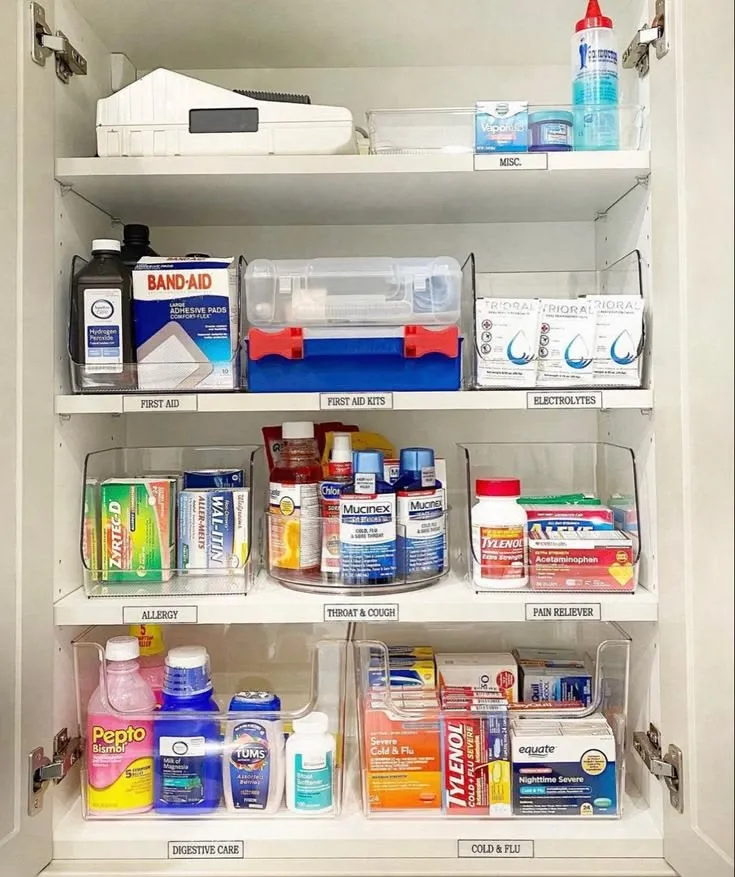
Photo: organized home medicine cabinet with first aid supplies and antiseptic products, via i.pinimg.com
Why Your Medicine Cabinet May Already Be Outdated
Most American households carry the same collection of products their parents stocked decades ago: a half-used tube of triple antibiotic ointment, some expired ibuprofen, and perhaps a box of adhesive bandages. For generations, that was sufficient. The landscape, however, has shifted considerably. Antibiotic-resistant pathogens are no longer a distant concern confined to hospital intensive care units — they circulate in schools, gyms, and community spaces across the country. Meanwhile, access to timely medical care remains inconsistent for millions of Americans, whether due to insurance gaps, rural geography, or the simple reality of long wait times at urgent care facilities.
Building a thoughtful home antimicrobial kit does not mean attempting to replicate a pharmacy or practice medicine without a license. It means equipping yourself with evidence-based products, clear knowledge of their appropriate applications, and a firm understanding of when to step back and call a professional. This guide is designed to help you do exactly that.
Organizing by Infection Type: A Practical Framework
The most effective medicine cabinets are organized around function rather than alphabetical order or brand loyalty. When it comes to antimicrobial preparedness, thinking by infection category simplifies decision-making during moments of stress.
Skin and Wound Infections
This is the category most households already address, albeit imperfectly. Topical antibiotic preparations containing bacitracin or neomycin remain widely available over the counter and are appropriate for minor cuts, scrapes, and superficial burns. However, it is worth noting that some individuals develop contact dermatitis from neomycin with repeated use. A bacitracin-only formulation may be preferable for those with sensitive skin or a known history of topical antibiotic reactions.
For wounds showing early signs of infection — increasing redness, warmth, or minor swelling — antiseptic solutions such as povidone-iodine or chlorhexidine gluconate provide meaningful adjunct support. These are not antibiotics in the clinical sense, but they reduce microbial load effectively at the wound site and are available without a prescription.
Medical-grade honey products (manuka honey dressings, in particular) have accumulated a credible body of research supporting their use in wound care and carry a low risk profile, making them a reasonable addition for households interested in evidence-based alternatives.
Oral and Throat Infections
This category requires more caution. Bacterial throat infections such as streptococcal pharyngitis genuinely require prescription antibiotics — typically a penicillin-class drug or amoxicillin — and should not be managed with over-the-counter remedies alone. What a home kit can appropriately include here is a rapid strep test, which is available at most major pharmacy chains. Administering a quick home test before deciding whether to seek care is a practical, cost-conscious step that can inform your next move without delay.
In the interim, antiseptic throat sprays and lozenges containing ingredients such as cetylpyridinium chloride or benzalkonium chloride can reduce surface bacterial load and ease discomfort while you arrange appropriate care.
Urinary Tract Concerns
Over-the-counter urinary analgesics like phenazopyridine address the pain of a urinary tract infection but do nothing to treat the underlying bacterial cause. They are appropriate for short-term symptom relief only. A home urine dipstick test can help you assess whether a UTI is likely before committing to a telehealth visit or urgent care appointment. These dipsticks detect nitrites and leukocyte esterase — two common markers of bacterial infection in urine — and are inexpensive and widely accessible.
Actual antibiotic treatment for a confirmed or strongly suspected UTI requires a prescription and is not something a home kit can resolve independently.
Shelf Life: The Overlooked Variable
Expired products represent one of the most consistent problems in home medicine cabinets across the United States. Topical antibiotic ointments generally maintain potency for two to three years from manufacture when stored in cool, dry conditions — not in a steam-filled bathroom cabinet. Antiseptic solutions, particularly diluted preparations, degrade faster than most consumers realize.
A practical approach is to label each product with its expiration date in bold marker when you first add it to your cabinet and to conduct a brief annual review — perhaps tied to a date you will remember, such as the beginning of the new year or daylight saving time. Discard products through an FDA-approved medication take-back program rather than flushing them, which contributes to environmental antimicrobial contamination.
Recognizing When Self-Treatment Is Not the Answer
No guide to home antimicrobial preparedness is complete without a direct conversation about limits. There are clear clinical signals that should prompt you to seek professional evaluation without delay:
- A wound that is expanding in redness beyond its original margins, developing red streaking, or producing pus despite topical treatment
- A fever above 101°F accompanying any localized infection
- Symptoms of a systemic reaction, including chills, confusion, rapid heart rate, or extreme fatigue
- Any infection in a person who is immunocompromised, diabetic, or elderly
- Infections near the eyes, joints, or genitals
In these circumstances, a home kit is not a substitute for care — it is, at best, a bridge measure while you arrange an appointment or proceed to an emergency facility.
Building the List: A Recommended Starting Point
Below is a practical, evidence-grounded starting inventory for an antimicrobial-focused home first-aid kit:
- Bacitracin ointment (topical antibiotic for minor wounds)
- Povidone-iodine solution or chlorhexidine gluconate (wound antisepsis)
- Medical-grade manuka honey dressings
- Rapid strep test strips
- Urine dipstick test strips
- Phenazopyridine tablets (urinary analgesic — symptom relief only)
- Antiseptic throat spray with cetylpyridinium chloride
- Digital thermometer
- Sterile gauze, adhesive bandages, and medical tape
- A written record of any prescription antibiotics currently on hand and their indications
This inventory does not replace prescription medications when they are clinically warranted. It prepares you to respond intelligently to minor infections, assess more serious situations accurately, and minimize the window between symptom onset and appropriate care.
The Bigger Picture
The rise of antibiotic resistance has made antimicrobial stewardship a household responsibility, not merely a policy concern for hospitals and public health agencies. Every unnecessary antibiotic use — whether a leftover prescription taken for a viral cold or a product used outside its indicated purpose — contributes to a collective problem that affects every American.
A thoughtfully stocked medicine cabinet, paired with clear decision-making guidelines, is one of the most practical things a family can do to navigate this environment responsibly. At AntibioticSource500, we believe that informed consumers make better healthcare decisions — and a well-prepared home is the foundation of that informed approach.