Over-the-Counter Topical Antimicrobials: What the Science Says and How to Choose the Right Product
Photo: Masryyy, CC BY-SA 4.0, via Wikimedia Commons
Walk the first-aid aisle of any American pharmacy today and you will encounter a remarkably diverse array of topical antimicrobial products—antibiotic ointments, antifungal sprays, medicated wound dressings, and newer formulations featuring ingredients that did not exist in consumer products a decade ago. For many Americans, these products represent the first line of defense against minor skin infections, superficial wounds, and fungal conditions that would otherwise require a physician's visit.
Yet not all topical antimicrobials are created equal. Efficacy varies significantly across product categories, active ingredients, and delivery mechanisms. Understanding those differences allows consumers to make informed decisions rather than defaulting to brand recognition or shelf placement.
The Established Foundations: Classic OTC Antibiotic Ointments
The most familiar topical antibiotic products available without a prescription in the United States contain one or more of three active ingredients: neomycin, polymyxin B, and bacitracin. These compounds, frequently combined in triple-antibiotic formulations, have been available OTC for decades and remain among the most widely purchased wound-care products in the country.
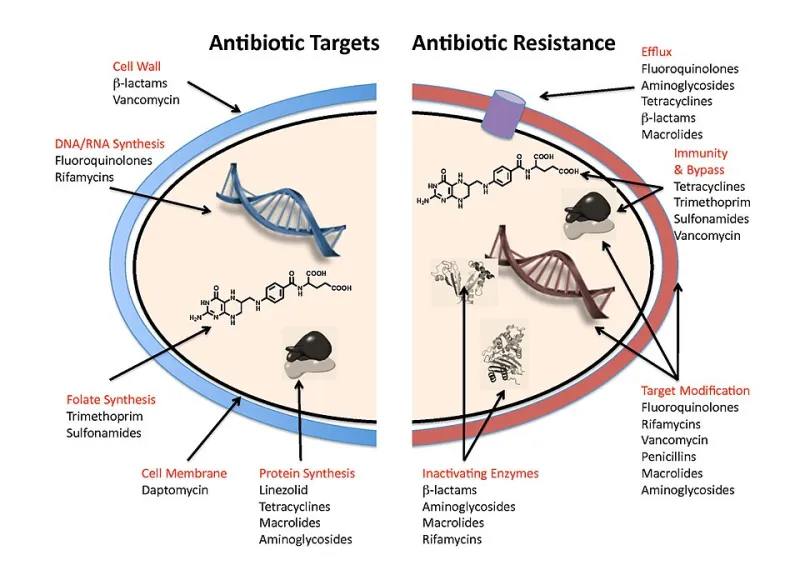
Bacitracin works by disrupting bacterial cell wall synthesis, making it effective against a range of gram-positive organisms including Staphylococcus aureus and Streptococcus pyogenes—two of the most common culprits in minor skin infections. Polymyxin B complements this action by targeting gram-negative bacteria, broadening the coverage profile of combination products. Neomycin, an aminoglycoside, adds additional gram-negative activity but carries a notable caveat: it is one of the more common causes of allergic contact dermatitis among topical antibiotic ingredients, affecting an estimated 10% of users to some degree.
For this reason, many dermatologists now favor plain bacitracin or polymyxin B-only formulations for patients with sensitive skin, reserving triple-antibiotic combinations for situations where broader coverage is clinically justified.
The primary use case for these ointments remains what it has always been: prevention of infection in minor cuts, abrasions, and superficial burns. They are not appropriate for deep puncture wounds, animal bites, or any injury exhibiting signs of established infection such as spreading redness, warmth, swelling, or purulent discharge. Those presentations warrant professional evaluation.
Antifungal Topicals: A Separate and Equally Important Category
It is worth emphasizing that antifungal products, while often shelved alongside topical antibiotics, operate through entirely different mechanisms and address a distinct class of pathogens. Using a bacterial antibiotic for a fungal infection—or vice versa—will produce no therapeutic benefit and may delay appropriate treatment.
OTC antifungal creams, sprays, and powders available in the United States most commonly contain one of four active ingredients:
- Clotrimazole (1%): An azole antifungal that inhibits ergosterol synthesis in fungal cell membranes. Effective against dermatophytes causing athlete's foot, jock itch, and ringworm, as well as Candida species responsible for yeast infections.
- Miconazole (2%): Shares the azole mechanism with clotrimazole and demonstrates comparable efficacy across similar fungal conditions. Available in cream, powder, and spray formulations.
- Terbinafine (1%): An allylamine antifungal that works by a different mechanism—inhibiting an earlier step in ergosterol biosynthesis—and is generally considered more fungicidal (killing fungi outright) rather than merely fungistatic (inhibiting growth). Clinical evidence suggests terbinafine may resolve tinea pedis more rapidly than azole alternatives in some patients.
- Tolnaftate (1%): An older antifungal with a narrower spectrum, effective primarily against dermatophytes but not Candida. Useful for prevention as well as treatment of athlete's foot.
Dermatologists frequently recommend terbinafine-based products for athlete's foot specifically, citing both its fungicidal action and the shorter treatment courses that clinical trials have supported. For suspected Candida infections of the skin, clotrimazole or miconazole formulations are generally preferred.
Emerging Ingredients Reshaping the Topical Antimicrobial Landscape
Beyond the established categories, a new generation of topical antimicrobial ingredients has entered the consumer market, reflecting both advances in wound-care science and growing awareness of antibiotic resistance concerns.
Hypochlorous acid (HOCl) formulations have gained significant attention in recent years. Generated electrochemically from salt and water, hypochlorous acid is a naturally occurring compound produced by human neutrophils as part of the innate immune response to infection. Topical HOCl products demonstrate broad-spectrum antimicrobial activity against bacteria, fungi, and viruses while maintaining a safety profile that makes them suitable for use on sensitive skin and around the eyes. Several wound-care sprays and skin-cleansing formulations now feature HOCl as their primary active ingredient.
Medical-grade honey, particularly Manuka honey from New Zealand, has accumulated a meaningful body of clinical evidence supporting its use in wound care. Its antimicrobial activity derives from multiple mechanisms—high osmolarity, low pH, hydrogen peroxide generation, and the presence of methylglyoxal—making it difficult for bacteria to develop resistance. Manuka-based wound dressings are available OTC in the United States and have demonstrated efficacy in managing chronic wounds and minor burns.
Silver-containing dressings and gels represent another category with established clinical support, particularly in wound-care settings. Ionic silver disrupts multiple bacterial processes simultaneously, a mechanism that also makes resistance development less likely. While prescription-strength silver sulfadiazine cream requires a physician's order, lower-concentration silver formulations are available in OTC wound-care products.
When OTC Options Are Not Enough
Topical OTC antimicrobials are appropriately used for a defined range of superficial conditions. They are not substitutes for prescription therapy when infections are severe, rapidly progressing, or located in anatomically sensitive areas such as the face or near joints.
Specific situations that warrant prompt medical evaluation include:
- Wounds showing signs of spreading cellulitis (expanding redness, warmth, and swelling beyond the wound margins)
- Any infection accompanied by fever, chills, or systemic symptoms
- Nail fungus (onychomycosis), which rarely responds to OTC topical antifungals and typically requires oral prescription therapy
- Suspected methicillin-resistant Staphylococcus aureus (MRSA) infections, which require culture-guided prescription treatment
- Infections in immunocompromised individuals, including those with diabetes, HIV, or patients undergoing chemotherapy
Making an Informed Purchase Decision
The breadth of topical antimicrobial products now available to American consumers reflects genuine scientific progress. At AntibioticSource500, we encourage shoppers to look beyond marketing language and focus on active ingredients, concentration levels, and the specific indication each product is formulated to address. A terbinafine cream and a bacitracin ointment may occupy adjacent shelf space, but they serve entirely different purposes and should be selected accordingly.
Reading product labels carefully, consulting with a pharmacist when uncertain, and recognizing the limits of self-treatment are the hallmarks of an informed antimicrobial consumer. When used appropriately, today's OTC topical antimicrobials offer genuine therapeutic value—and the science supporting them continues to evolve.