Household Antibiotic Stewardship: A Family Guide to Responsible Antimicrobial Use
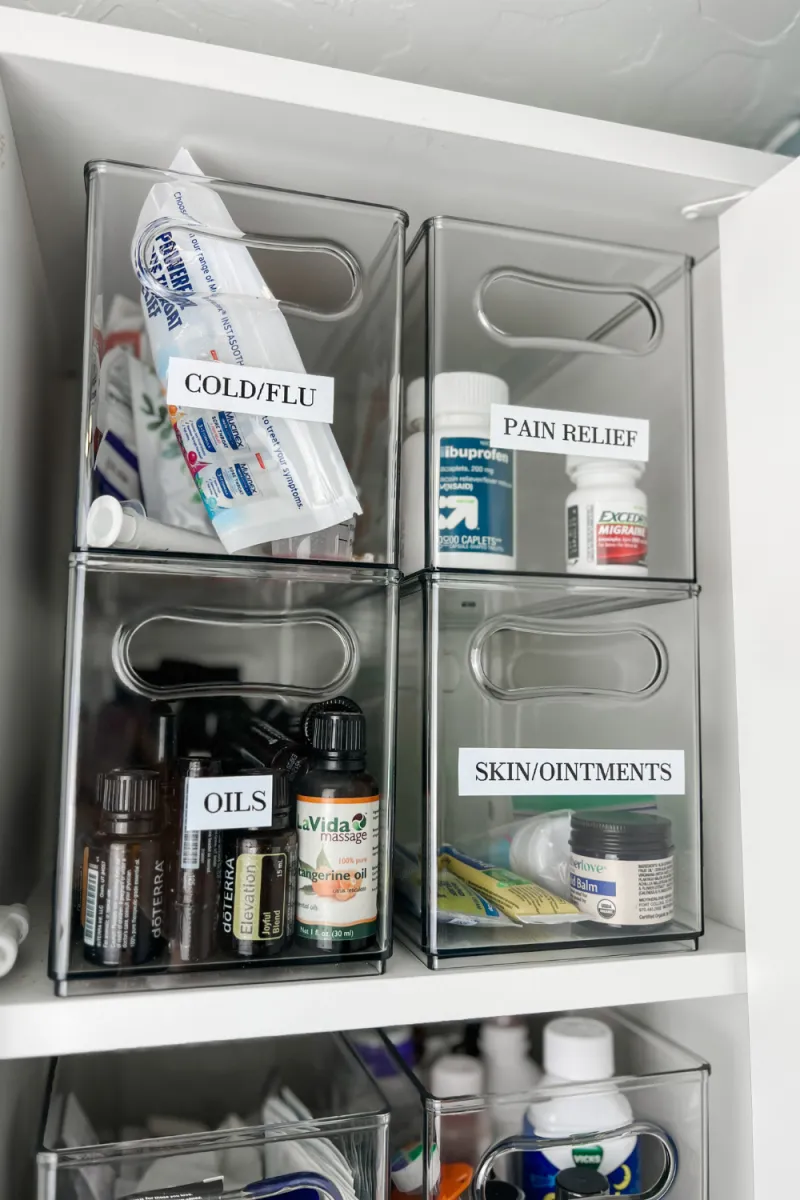
Photo: family medicine cabinet antibiotics prescription bottles organized storage, via i.pinimg.com
Antibiotics rank among the most consequential medical discoveries in human history. Since penicillin entered widespread clinical use in the 1940s, these compounds have saved hundreds of millions of lives and transformed once-deadly infections into manageable conditions. Yet their extraordinary power comes with an equally extraordinary responsibility—one that does not end at the pharmacy counter or the physician's office. It continues inside every American home where these medications are stored, administered, and sometimes misused.
At AntibioticSource500, we believe that informed consumers are the foundation of sound antimicrobial stewardship. Understanding how to use antibiotics correctly is not merely a matter of individual health; it is a civic responsibility with measurable effects on community-level resistance patterns, healthcare costs, and long-term treatment options for future generations.
What Antibiotic Stewardship Actually Means for Ordinary Households
The term "antibiotic stewardship" is often associated with hospital infection-control committees and federal public health agencies. In reality, the concept applies with equal force to everyday decisions made in kitchens, medicine cabinets, and pediatric bedrooms across the country.
At its core, household stewardship means using antibiotics only when they are clinically appropriate, taking them exactly as prescribed, and disposing of unused portions responsibly. Each of these principles sounds straightforward in isolation, yet surveys conducted by the Centers for Disease Control and Prevention consistently reveal that a significant percentage of American adults do not complete their full antibiotic courses, share medications with family members, or request prescriptions for viral illnesses that antibiotics cannot address.
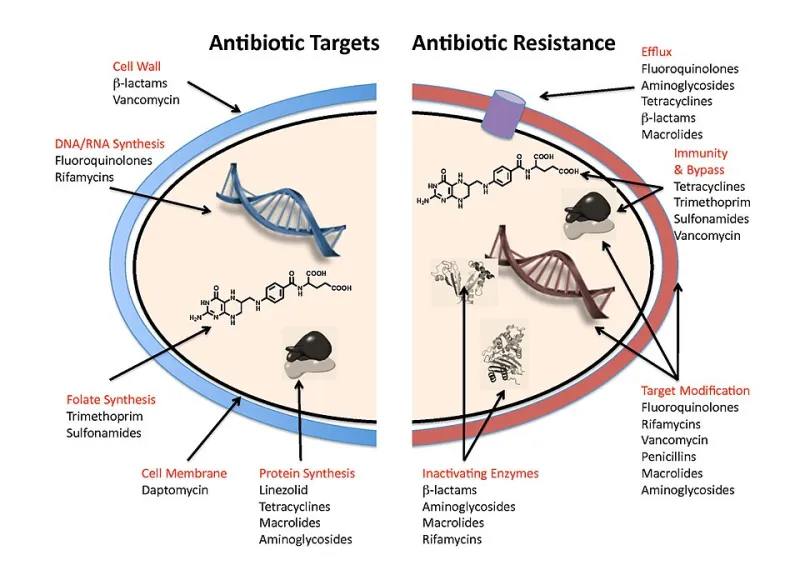
These behaviors, however well-intentioned, contribute directly to the development and spread of antibiotic-resistant bacteria—organisms that have evolved to survive exposure to drugs that once eliminated them reliably.
Completing the Full Course: Why Stopping Early Is Never a Shortcut
One of the most pervasive misconceptions about antibiotic therapy is that feeling better signals the end of treatment. This assumption is medically incorrect and potentially dangerous. When a physician prescribes a ten-day course of amoxicillin, for example, that duration is calibrated to eradicate the causative bacterial population, not merely to suppress it long enough for symptoms to subside.
Stopping an antibiotic course prematurely leaves surviving bacteria—often the hardiest members of the original population—free to proliferate. These survivors may carry genetic traits that confer partial resistance to the drug in question, and their subsequent reproduction can establish a more treatment-resistant infection. The patient may relapse, requiring a stronger or longer course of therapy, and resistant strains can spread to household contacts or the broader community.
If cost or side effects are making it difficult to complete a prescribed course, the appropriate response is to contact the prescribing provider—not to discontinue treatment unilaterally. Many patient assistance programs and pharmacy discount networks can reduce out-of-pocket costs substantially.
Recognizing When Antibiotics Are—and Are Not—Warranted
Antibiotics are effective exclusively against bacterial infections. They have no therapeutic value against viral illnesses, which include the common cold, seasonal influenza, most sore throats, and the majority of upper respiratory infections that Americans experience each winter. Requesting or accepting an antibiotic prescription for a viral condition exposes the patient to unnecessary side effects—including gastrointestinal disruption and the risk of Clostridioides difficile infection—while contributing nothing to recovery.
Conditions that frequently do warrant antibiotic treatment include strep throat confirmed by rapid antigen testing, urinary tract infections caused by susceptible bacteria, certain pneumonias, skin and soft-tissue infections caused by organisms such as Staphylococcus aureus, and Lyme disease in its early stages. The critical word in each case is "confirmed." A proper diagnosis, supported by clinical examination and, where appropriate, laboratory testing, is the prerequisite for responsible antibiotic prescribing and use.
Parents of young children are particularly encouraged to discuss watchful waiting protocols with their pediatricians. Many ear infections, for example, resolve without antibiotic intervention in otherwise healthy children over the age of two, and evidence-based guidelines from the American Academy of Pediatrics increasingly support observation as a first-line strategy in uncomplicated cases.
Safe Storage Practices Every Family Should Follow
Proper storage of antibiotics preserves their efficacy and prevents accidental ingestion by children or pets. The following guidelines reflect current pharmaceutical best practices:
- Store at the correct temperature. Most oral antibiotics should be kept at room temperature, between 68°F and 77°F, away from direct sunlight and humidity. Liquid suspensions frequently require refrigeration; always read the label and pharmacist's instructions carefully.
- Keep medications in their original containers. Original packaging includes critical information: the drug name, prescribed dosage, expiration date, and prescribing physician's instructions. Transferring medications to unlabeled containers introduces unnecessary risk.
- Use child-resistant closures and elevated storage. Even medications in child-resistant packaging should be stored out of reach and out of sight of young children. The American Association of Poison Control Centers reports that medication ingestion remains one of the leading causes of pediatric poisoning calls in the United States.
- Never store antibiotics in the bathroom medicine cabinet. Contrary to the name, bathrooms generate heat and moisture that degrade medications more rapidly than other storage locations. A bedroom drawer or kitchen cabinet away from the stove is preferable.
Disposing of Unused Antibiotics Responsibly
Leftover antibiotics should never be saved for future self-treatment. Using a partially completed course from a previous prescription to address a new illness is medically unsound—the dosage may be insufficient, the drug may not target the current pathogen, and the practice bypasses the diagnostic step that proper treatment requires.
The FDA recommends returning unused medications to authorized drug take-back locations, many of which are available at local pharmacies and law enforcement agencies. The DEA's National Prescription Drug Take Back Day, held twice annually, provides additional disposal opportunities nationwide. When take-back options are unavailable, most antibiotics can be safely disposed of by mixing them with an undesirable substance such as coffee grounds or kitty litter, sealing the mixture in a bag, and placing it in household trash—though flushing is recommended for a small number of specific medications listed on the FDA's flush list.
Stewardship as a Form of Consumer Empowerment
At AntibioticSource500, we recognize that access to accurate information about antimicrobial products is itself a form of consumer empowerment. The decisions American families make about antibiotics—when to seek them, how to use them, and how to store or dispose of them—collectively shape the therapeutic landscape that will be available to their children and grandchildren.
Responsible stewardship is not about avoiding antibiotics. It is about using them with precision, intentionality, and respect for their remarkable—and finite—power. When prescribed by a qualified clinician and used correctly at home, antibiotics remain among the most effective tools in the modern medical arsenal. Protecting that efficacy is a responsibility every household can meaningfully fulfill.