Does Your Antibiotic Still Work? A Homeowner's Guide to Prescription Shelf Life, Storage, and Safe Stock Rotation
When the Medicine Cabinet Becomes a Question Mark
Nearly every American household has one: a half-finished course of amoxicillin tucked behind the aspirin, or a foil blister pack of azithromycin left over from a respiratory infection two winters ago. The instinct to save these medications is understandable—antibiotics are expensive, and the idea of having something on hand for a future emergency feels prudent. But the critical question is rarely asked: does that antibiotic still work?
The answer is more nuanced than a simple expiration date stamp suggests. At AntibioticSource500, we believe informed consumers deserve a science-grounded explanation of what those dates actually mean, which antibiotics hold up over time, and how your storage environment can make or break a medication's effectiveness long before the printed date arrives.
What Expiration Dates Actually Represent
The FDA requires pharmaceutical manufacturers to stamp every medication with an expiration date, but that date is not a cliff—it is a floor. Specifically, it represents the last date through which the manufacturer guarantees full potency and safety under ideal storage conditions. After that date, the company is no longer legally accountable for the drug's performance.
The U.S. military's Shelf Life Extension Program (SLEP), a decades-long collaboration between the Department of Defense and the FDA, found that a significant majority of tested medications—including several antibiotics—retained at least 90 percent of their labeled potency well beyond their expiration dates, sometimes by years. That said, SLEP testing occurs under controlled, optimal conditions. Your bathroom medicine cabinet is not a climate-controlled military depot.
The practical takeaway: expiration dates are conservative, but storage conditions are the variable that determines whether your antibiotic matches that extended stability or degrades well before the date on the label.
Antibiotics with Stronger Shelf-Life Profiles
Not all antibiotics age equally. Understanding which formulations are inherently more stable empowers consumers to make smarter decisions about what to keep and when to replace.
Amoxicillin and Amoxicillin-Clavulanate (Augmentin) In tablet or capsule form, amoxicillin is considered relatively stable. When stored at room temperature away from moisture, sealed tablets can retain potency for a year or more beyond their labeled date. However, the liquid suspension form—commonly prescribed for children—is an entirely different matter. Once reconstituted with water, amoxicillin suspension is effective for only 10 to 14 days, regardless of the original expiration date. Discard it promptly.
Doxycycline This broad-spectrum tetracycline antibiotic, frequently prescribed for respiratory infections, Lyme disease prophylaxis, and certain skin conditions, demonstrates strong stability in tablet and capsule form. Stored correctly, doxycycline has shown reliable potency in extended studies. It is among the antibiotics most recommended for emergency preparedness kits by pharmacists who support responsible home pharmacy practices.
Azithromycin (Z-Pack) Tablet forms of azithromycin are generally stable and hold up well in standard household conditions. The oral suspension, again, is significantly less stable and should never be retained after a course is complete.
Ciprofloxacin A fluoroquinolone antibiotic used for urinary tract infections and certain gastrointestinal illnesses, ciprofloxacin tablets are considered highly stable. Military SLEP data specifically identified ciprofloxacin as one of the antibiotics retaining potency well beyond labeled expiration under proper storage.
Antibiotics That Degrade More Rapidly
Some antibiotics are inherently less forgiving of time and environmental exposure.
Tetracycline (distinct from doxycycline) has a documented history of degrading into compounds that can be harmful to kidneys when taken past expiration. While modern tetracycline formulations are less susceptible to this specific degradation pathway than older versions, the cautionary principle remains: tetracycline should not be used beyond its expiration date.
Liquid and suspension formulations of virtually any antibiotic degrade significantly faster than solid dosage forms. The water content accelerates hydrolysis of the active compounds, reducing potency and potentially altering the chemical profile.
Topical antibiotic creams and ointments are subject to both oxidation and microbial contamination once opened. While not typically dangerous past expiration, their antimicrobial efficacy may be substantially reduced.
The Hidden Enemy: Your Storage Environment
The bathroom medicine cabinet is, ironically, one of the worst places to store medications. Heat and humidity—both abundant in bathrooms—are the primary accelerants of pharmaceutical degradation. Consider the following environmental factors:
- Temperature: Most antibiotics should be stored between 59°F and 77°F (15°C–25°C). Temperatures above 86°F can meaningfully accelerate breakdown of active compounds. A car glove compartment in a Texas summer, for example, can reach temperatures far exceeding safe storage thresholds.
- Humidity: Moisture causes tablets to degrade, clump, and lose potency. Original sealed packaging provides meaningful protection, but once a bottle is opened repeatedly, moisture infiltration begins.
- Light exposure: Ultraviolet light degrades many pharmaceutical compounds. Amber-colored bottles exist for this reason. Storing medications in a dark drawer or cabinet significantly extends their effective life.
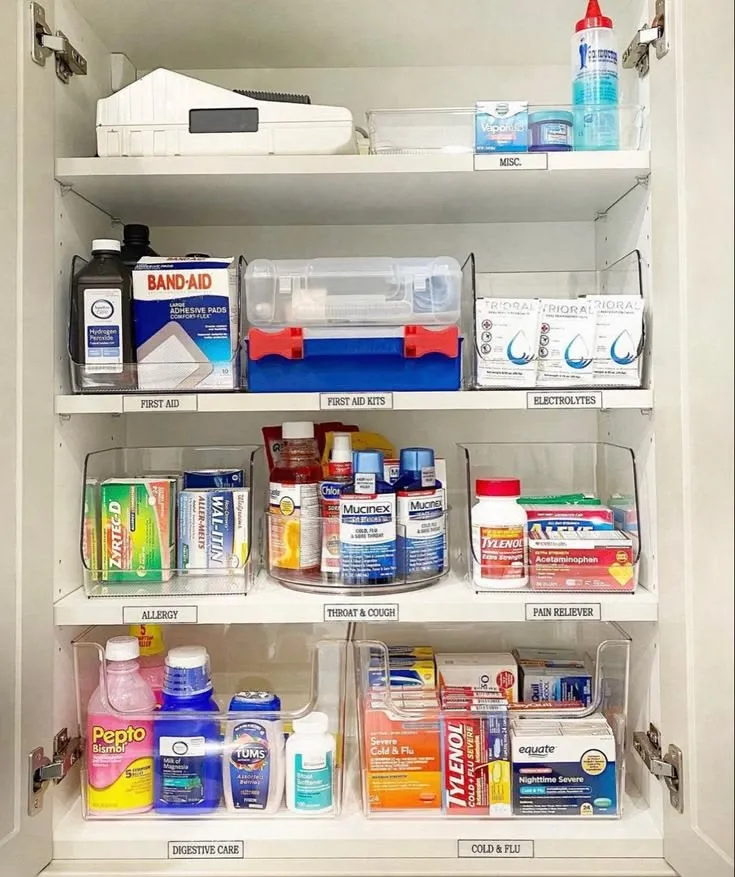
A bedroom closet shelf, a dedicated drawer in a cool dry room, or a purpose-built medication organizer in a climate-controlled area of the home represents a far superior storage environment than the typical bathroom shelf.
Rotating Your Home Antibiotic Stock Responsibly
For households that maintain a prepared home pharmacy, stock rotation is an essential practice. A reasonable approach involves reviewing stored prescription antibiotics annually—ideally noting the expiration date at the time of storage and setting a calendar reminder.
When disposing of expired antibiotics, follow FDA guidance: many pharmacies participate in drug take-back programs, which represent the safest and most environmentally responsible disposal method. The DEA's National Prescription Drug Take Back Day, held twice annually, provides community disposal opportunities across the country. If no take-back option is available, mixing medications with an undesirable substance such as coffee grounds or dirt in a sealed bag before placing them in household trash is the recommended alternative—never flush antibiotics unless the label specifically instructs it.
The Bottom Line for Prepared Households
Maintaining a thoughtful home antibiotic supply is not about hoarding or bypassing medical care—it is about preparedness, informed by science. Solid-dose prescription antibiotics stored in cool, dry, dark conditions can retain meaningful potency well beyond their labeled expiration dates in many cases. Liquid formulations, however, should never be retained. And no stored antibiotic should substitute for professional diagnosis when symptoms are serious or worsening.
At AntibioticSource500, our commitment is to equip you with the knowledge to make genuinely informed decisions about the antimicrobial products in your home—so that what you reach for in an emergency is actually worth reaching for.