Stopping Bacteria Before It Reaches Your Medicine Cabinet: Evidence-Based Infection Prevention for the American Home
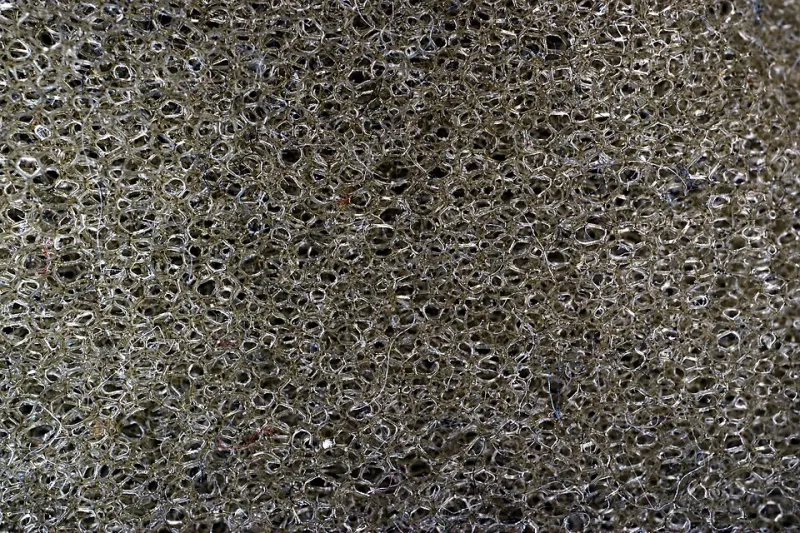
Photo: Prosthetic Head, CC BY-SA 4.0, via Wikimedia Commons
The conversation around antimicrobial health tends to focus on treatment—which antibiotic to take, how long to take it, and whether a prescription is warranted. That focus is understandable, but it overlooks a more powerful intervention entirely: prevention. When bacterial infections are stopped before they begin, the question of pharmaceutical treatment becomes moot.
At AntibioticSource500, we recognize that responsible antimicrobial wellness encompasses far more than the products we offer. It includes the daily routines, household habits, and environmental decisions that determine whether bacteria gain a foothold in the first place. The following guide draws on current microbiological research and public health guidance to help American households build a genuinely effective first line of defense.
Rethinking the Kitchen: The Most Contaminated Room in Your Home
Most people associate bacterial risk with bathrooms, but microbiological surveys consistently find that kitchens harbor the highest concentrations of harmful bacteria in the average American home. The kitchen sponge, in particular, is one of the most densely colonized objects in domestic environments, capable of harboring Salmonella, E. coli, and Campylobacter simultaneously.
The issue is not cleanliness in the conventional sense—many kitchens that appear spotless are microbiologically problematic. The real culprits are moisture, organic residue, and temperature.
Practical kitchen antimicrobial protocols:
- Replace sponges weekly, or microwave damp sponges for 60 seconds daily. Research published in peer-reviewed food safety journals confirms that microwaving a thoroughly wetted sponge eliminates the majority of viable bacteria. A dry sponge placed in the microwave, however, is a fire hazard—the sponge must be saturated with water first.
- Use separate cutting boards for raw protein and produce. Cross-contamination between raw poultry and vegetables is among the most common sources of household foodborne illness. Color-coded boards eliminate ambiguity.
- Sanitize, don't just clean, high-touch surfaces. Cleaning removes visible debris; sanitizing reduces microbial load. A solution of one tablespoon of unscented liquid chlorine bleach per gallon of water, applied to countertops and left to air dry, is an EPA-approved sanitizing approach that costs pennies per application.
- Monitor refrigerator temperature. The FDA recommends maintaining refrigerator temperatures at or below 40°F. Bacteria multiply rapidly between 40°F and 140°F—a range food scientists call the "danger zone." A simple appliance thermometer, available for under five dollars, is one of the most cost-effective infection prevention tools available.
Hand Hygiene: The Science Behind Soap vs. Sanitizer
The debate between soap and hand sanitizer has generated considerable confusion among American consumers, partly because marketing language has blurred the distinction between "antibacterial," "antimicrobial," and "sanitizing" products.
Here is what the evidence actually shows:
Soap and water is superior for hands that are visibly soiled or greasy, after using the restroom, before and after handling raw food, and when Clostridioides difficile or norovirus exposure is a concern. These pathogens are not effectively neutralized by alcohol-based sanitizers.
Alcohol-based hand sanitizers (with at least 60 percent ethanol or isopropanol) are genuinely effective in clinical and community settings where hands are not visibly soiled—after touching shared surfaces in public, before eating when handwashing is impractical, and in healthcare-adjacent situations. The CDC's own guidance affirms their efficacy in these contexts.
Where the science becomes more complicated is with "antibacterial" soaps containing triclosan or triclocarban. The FDA issued a ruling in 2016 requiring these ingredients to be removed from consumer wash-off products sold in the United States, citing insufficient evidence of benefit over plain soap and emerging concerns about contribution to antimicrobial resistance. Most major brands have since reformulated. Plain soap, used correctly—20 seconds of vigorous lathering, including nail beds and between fingers—performs equivalently to triclosan-containing products for routine hand hygiene.
High-Touch Surface Management: Where Contamination Actually Lives
Bacterial transmission in the home is predominantly contact-mediated. Pathogens survive on hard surfaces for periods ranging from hours to days, depending on the organism and surface material. The practical implication is that routine cleaning of high-touch surfaces is among the highest-yield infection prevention behaviors available to households.
High-touch surfaces that are frequently underestimated include:
- Light switches and door handles — touched dozens of times daily by multiple household members, rarely cleaned
- Smartphone screens — studies have detected Staphylococcus aureus and E. coli on a significant proportion of tested devices; isopropyl alcohol wipes are appropriate for most modern screen coatings
- Remote controls and keyboards — porous surfaces that trap organic material and resist casual wiping
- Bathroom faucet handles — touched with unwashed hands immediately before handwashing, making them among the most reliably contaminated surfaces in the home
Establishing a twice-weekly wipe-down routine for these surfaces using an EPA-registered disinfectant takes approximately ten minutes and meaningfully reduces the bacterial burden circulating through the household.
Laundry Hygiene: An Underappreciated Infection Vector
American laundry practices have shifted significantly toward cold-water washing—an environmentally sound choice that nonetheless has microbiological implications. Cold water does not reliably eliminate bacteria from fabrics. Studies have found that washing machines themselves can harbor E. coli and other organisms, particularly in the drum gasket of front-loading machines.
For households with members who are immunocompromised, elderly, or recovering from illness, the following adjustments are evidence-supported:
- Wash undergarments, towels, and bedding at or above 140°F when the care label permits
- Use an EPA-registered laundry sanitizer additive with cold-water cycles for delicate items
- Run an empty hot-water cycle with bleach monthly to sanitize the drum and gasket
- Dry laundry promptly; damp fabric left in the drum for more than 30 minutes begins accumulating microbial growth
Ventilation and Indoor Air Quality
Bacteria are not exclusively surface-dwelling. Airborne transmission—via respiratory droplets and aerosols—is a meaningful infection pathway for organisms including Streptococcus species and Mycobacterium tuberculosis. While most healthy American households are not at significant risk from airborne bacterial pathogens, improving indoor ventilation is a low-cost measure with compounding benefits.
Opening windows for as little as five to ten minutes daily in temperate weather substantially refreshes indoor air. HEPA-filter air purifiers reduce particulate load, including droplet nuclei, in enclosed spaces. Maintaining indoor humidity between 40 and 60 percent discourages both bacterial and mold proliferation while supporting respiratory mucosal integrity—your body's own antimicrobial barrier.
Behavioral Patterns That Matter More Than Products
Perhaps the most important insight from infection prevention research is that behavioral consistency outperforms product selection. A household that uses a basic EPA-registered disinfectant on a regular schedule will have meaningfully lower bacterial burden than one that purchases premium antimicrobial products sporadically.
Consistency in the following behaviors produces compounding protective effects over time:
- Washing hands before meal preparation, after outdoor activity, and after contact with animals
- Not sharing personal items such as towels, razors, or drinking vessels
- Covering cuts and abrasions promptly with appropriate wound care products
- Keeping fingernails trimmed and clean, reducing the surface area available for bacterial retention
Prevention as the Foundation of Antimicrobial Wellness
At AntibioticSource500, we understand that our customers' ultimate goal is not antibiotics—it is health. The products we offer are tools for addressing infections once they occur. But the habits described in this article represent something more powerful: a systematic reduction in the likelihood that those tools will be needed in the first place.
Evidence-based prevention does not require expensive products or elaborate protocols. It requires informed, consistent attention to the environments and behaviors that determine whether bacteria find opportunity in your home. That foundation of daily diligence is the most effective antimicrobial strategy available to any American household.