Old Wisdom, New Evidence: How Traditional Antimicrobial Remedies Are Earning a Place in the Modern Medicine Cabinet
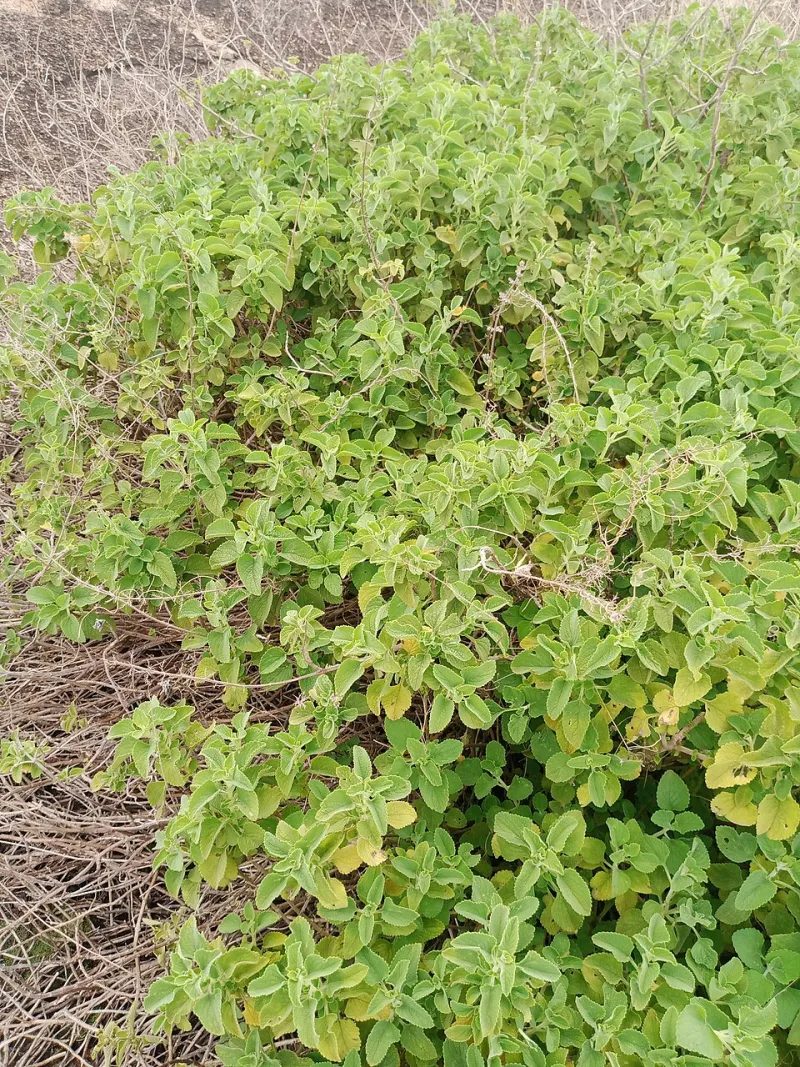
Photo: Ainomugisha Brendah, CC BY-SA 4.0, via Wikimedia Commons
A Return to the Remedy Shelf
Something interesting is happening in American households. Alongside prescription bottles and pharmacy-brand antiseptics, a growing number of families are stocking raw honey, colloidal silver preparations, elderberry extracts, and essential oils. This is not a rejection of modern medicine—it is, in many ways, an evolution of it.
Younger generations, particularly millennials and Gen Z adults, are driving a measurable resurgence of interest in what might be called "functional antimicrobials"—substances with documented or historically observed activity against bacteria, fungi, and viruses. According to consumer health surveys, sales of antimicrobial herbal supplements in the United States have grown steadily over the past decade, accelerating notably following the COVID-19 pandemic. The question worth asking is not whether this trend is happening, but whether it is grounded in sound science.
At AntibioticSource500, our mission is to provide Americans with accurate, evidence-based information about antimicrobial health. That means taking traditional remedies seriously—neither dismissing them as folklore nor embracing them uncritically.
Why the Resurgence Is Happening Now
Several forces are converging to fuel interest in traditional antimicrobial practices. First, widespread awareness of antibiotic resistance has prompted many Americans to reconsider routine reliance on prescription antibiotics for minor ailments. Second, telehealth and direct-to-consumer health platforms have made it easier for individuals to research and self-manage mild infections. Third, cultural shifts toward holistic wellness have encouraged people to look beyond the pharmacy aisle for preventive and supportive health strategies.
There is also a generational memory at work. Many Americans recall grandparents who reached for iodine, garlic poultices, or herbal teas before a physician was ever consulted. That memory, combined with contemporary access to clinical literature, has created a uniquely informed consumer—one who wants both the tradition and the evidence.
Honey: The Remedy That Earned Its Credentials
Of all the traditional antimicrobial substances experiencing renewed attention, honey—and specifically Manuka honey—has accumulated perhaps the most compelling body of modern research. Manuka honey, derived from the Leptospermum scoparium plant native to New Zealand and Australia, contains methylglyoxal (MGO) at concentrations far exceeding those found in conventional honey. This compound, along with hydrogen peroxide activity and a low pH environment, creates conditions that are demonstrably hostile to a wide range of bacterial pathogens.
Clinical studies have demonstrated Manuka honey's effectiveness against Staphylococcus aureus, including methicillin-resistant strains (MRSA), as well as Pseudomonas aeruginosa and Helicobacter pylori. Medical-grade Manuka honey is now incorporated into licensed wound dressings used in hospital settings across the United States and Europe.
For home use, Manuka honey with a verified UMF (Unique Manuka Factor) rating of 10+ or an MGO rating of 263+ is generally considered to have meaningful antimicrobial activity. It is appropriate for minor cuts, abrasions, and superficial wound care—not as a replacement for prescribed antibiotics in the event of a serious infection, but as a legitimate supportive measure.
Garlic, Oregano Oil, and the Phytochemical Frontier
Garlic has been used medicinally for millennia, and modern biochemistry has identified allicin—a sulfur compound released when raw garlic is crushed or chopped—as the primary agent responsible for its antimicrobial properties. Laboratory studies confirm allicin's activity against a broad spectrum of bacteria and fungi. However, it is worth noting that allicin is unstable, degrading rapidly when exposed to heat, and that the concentrations required to replicate laboratory results are difficult to achieve through dietary consumption alone.
Oregano oil, particularly preparations standardized to carvacrol content, has similarly attracted research attention. Several in vitro studies have demonstrated activity against foodborne pathogens such as E. coli and Salmonella, as well as against Candida species. Oregano oil supplements are widely available in the United States, but quality and standardization vary significantly between manufacturers. Consumers should look for products specifying carvacrol content of at least 70 percent.
Colloidal silver occupies a more complicated position. While silver ions have genuine antimicrobial properties—silver-impregnated wound dressings are a legitimate medical product—the evidence for orally consumed colloidal silver supplements is far less convincing. The FDA has stated that colloidal silver is not generally recognized as safe or effective for treating any condition when taken internally. This is an area where traditional use and modern evidence diverge meaningfully.
Elderberry and the Immune-Support Category
Eldberry (Sambucus nigra) preparations occupy a distinct category from direct antimicrobials. Rather than acting on pathogens directly, elderberry extracts appear to modulate immune response, potentially shortening the duration of viral respiratory illness. Several randomized controlled trials have produced encouraging results for elderberry's role in reducing flu duration and severity.
It is important to distinguish between antiviral immune support and antibacterial activity. Elderberry is not a substitute for antibiotics in the treatment of bacterial infections. Its value lies in the realm of viral illness management and preventive immune support—a useful tool, but a different one.
Building a Balanced Home Health Strategy
The most responsible approach to traditional antimicrobial remedies is one that treats them as complementary rather than competitive with modern medicine. Several principles are worth keeping in mind:
Verify the evidence. Not all traditional remedies are equal. Manuka honey and certain essential oil preparations have meaningful clinical support. Others rely primarily on anecdote. Seek out products with standardized active ingredients and, where possible, published clinical data.
Know the limits. Traditional remedies are most appropriate for minor, self-limiting conditions—small wounds, mild digestive discomfort, early-stage cold symptoms. A spreading skin infection, high fever, or symptoms that worsen after 48 to 72 hours warrant professional medical evaluation and potentially prescription antibiotic therapy.
Be cautious with quality. The supplement market in the United States is less tightly regulated than the pharmaceutical sector. Look for products that carry third-party testing certifications from organizations such as NSF International or USP.
Avoid self-treating serious infections. The resurgence of interest in traditional remedies should never translate into delayed care for conditions that require prescription antibiotics. Bacterial infections left untreated can escalate rapidly.
The Synthesis of Old and New
America's renewed interest in traditional antimicrobial practices reflects something genuinely valuable: a desire for agency over personal health, a respect for accumulated human experience, and a thoughtful skepticism toward both excessive pharmaceutical dependence and unfounded naturalistic claims. The families navigating this space most successfully are those who combine historical wisdom with modern discernment.
At AntibioticSource500, we believe that an informed consumer is a healthier consumer. Whether your medicine cabinet contains prescription antibiotics, Manuka honey, oregano oil, or all three, the goal is the same—effective, responsible antimicrobial care for you and your family.